
Our Consortium
The BDCRC encompasses many people and projects. Learn more about each in the sections below.
Administrative Core
Who We Are
The Administrative Core is the organizational hub of the Batten Disease Clinical Research Consortium (BDCRC). We provide leadership, coordination, and operational support for all BDCRC Cores and Research Projects, ensuring seamless collaboration across sites and stakeholders.
What We’re Working On
Our team manages institutional and financial agreements, integrates biostatistics and bioinformatics expertise, and oversees compliance. We’re also establishing a national NCL biorepository and coordinating communication among BDCRC sites, advocacy partners, families, and the Rare Diseases Clinical Research Network (RDCRN).
Why It Matters
By keeping the Consortium running smoothly, we enable groundbreaking research and clinical trial readiness—accelerating progress toward new therapies for individuals affected by Batten disease.
Fun Fact or Quote
“Our favorite part of this work? Building bridges between researchers, families, and partners to make a real impact.”
Pilot Core
Who We Are
The Pilot Study Core is a key part of the Batten Disease Clinical Research Consortium (BDCRC). We fund innovative pilot studies that tackle top research priorities and advance early diagnosis, management, and treatment.
 Dr. Liu Lin Thio |  Dr. Ineka Whiteman |
What We’re Working On
We fund high-quality translational and clinical pilot studies aligned with the top, Research Priorities for the Neuronal Ceroid Lipofuscinoses, identified by Batten disease stakeholders (Lancet Neurology). Each year, at least one project is selected through a rigorous NIH-based review process to ensure feasibility, impact, and innovation.
In partnership with Batten Disease Global Research Initiative (BDGRI), we solicit and review applications, awarding up to $50,000 per funding round.
Process at a Glance:
- EOI Submission – Applicants submit preliminary proposals as Expressions of Interest (EOIs).
- Shortlisting – A 12-member panel reviews EOIs and invites selected applicants to advance.
- Full Proposal Submission – Shortlisted applicants submit detailed proposals.
- Final Review and Selection – Panels select Pilot Award recipients; others may be considered for BDGRI funding.
Why It Matters
These proof-of-concept studies pave the way for larger trials and better outcomes for families affected by Batten disease.
Learn More
We welcome proposals from early-career and experienced investigators—even those new to Batten research.
Fun Fact or Quote
“Our favorite part of this work? Seeing innovative ideas take shape and knowing they could genuinely change the future for families affected by Batten disease.”
Career Enhancement Core
Who We Are
We’re the Career Enhancement Core, dedicated to training the next generation of clinician investigators in Batten disease research. Meet the Core Co-Leads!
 Dr. Nicolas Abreu |  Dr. Elizabeth Berry-Kravis |
What We’re Working On
The Early Career Investigator Grant program will develop the next generation of clinician investigators who will drive breakthroughs in diagnostics and therapies for NCLs. The fellowship program pairs early-career investigators with BDCRC mentors and funds a research fellow each year.
- Mentorship Opportunities: Each fellow is paired with a BDCRC mentor—your expertise could help launch a new career in rare disease research.
- Collaborative Training: From immersive journal clubs to webinars, the program brings together clinicians, researchers, and advocates to share knowledge and spark ideas.
- Multidisciplinary Approach: We’re committed to building a research community that reflects a wide range of backgrounds and disciplines.
Why It Matters
By investing in people, we’re accelerating progress toward better diagnostics and therapies.
Learn More
We welcome proposals from early-career and experienced investigators—even those new to Batten research.
Building Trial Readiness: Meet Project 1
Who We Are
Project 1 is the first multi-site natural history study of the Neuronal Ceroid Lipofuscinoses (NCLs, Batten diseases) in the U.S. Our goal is to fill critical gaps in clinical knowledge and create resources that accelerate therapeutic development.
 Dr. Erika Augustine |  Dr. Jennifer Vermilion |
What We’re Working On
We’re modeling disease progression across the NCLs using disease-specific rating scales and novel digital tools to assess gait, speech, and language. We’re also piloting a caregiver-centered severity measure, which will be important for identifying meaningful endpoints for affected individuals and their families.
Why It Matters
By generating comprehensive natural history data and responsive outcome measures, we’re removing major roadblocks to clinical trial design—bringing us closer to effective treatments for all forms of Batten disease.
Fun Fact or Quote
“Rare Disease Day is held on February 28 every year — except in leap years, when it’s celebrated on February 29, the rarest day on the calendar! It started in 2008 and is now observed in over 100 countries worldwide — a powerful reminder that while each rare disease is uncommon, the rare disease community is anything but small.”
Unlocking Biomarkers: Meet Project 2
Who We Are
Project 2 focuses on discovering and validating reliable biomarkers for Batten disease (NCLs). These rare neurogenetic disorders mostly affect children and lead to progressive vision loss, seizure, motor dysfunction, dementia, and early death. Our mission is to identify sensitive, minimally invasive biomarkers and combination of biomarkers that reflect disease progression and treatment response.
 Dr. An Dang Do | 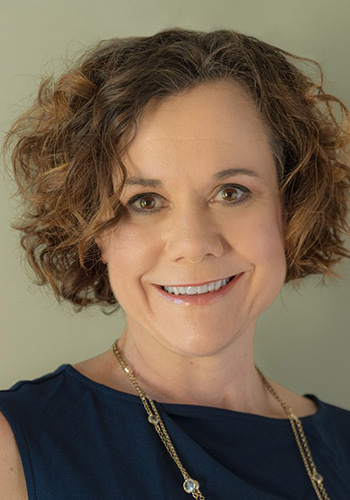 Dr. Jill Weimer |
What We’re Working On
We’re using advanced multi-omics approaches—including metabolomics, lipidomics, and proteomics—to identify novel biomarkers from patient biofluid samples. Our team will verify the most promising candidates and develop a biomarker scoring system that integrates molecular, clinical, and physiologic data to track disease stages and therapeutic effects.
Why It Matters
Biomarkers are like signposts in a clinical trial—they help researchers track how a treatment is working and provide the evidence needed for regulatory approval. By developing reliable measures, we’re aiming to speed up the path to new therapies and improving care for people living with CLN1, CLN2, CLN3, and CLN6 Batten disease.
Fun Fact or Quote
“We’re thrilled to be part of a program where ‘omics’ isn’t just a buzzword—it’s a pathway to better trials and better lives. Turning complex biology into actionable biomarkers is a challenge we’re honored (and very excited) to take on together.”